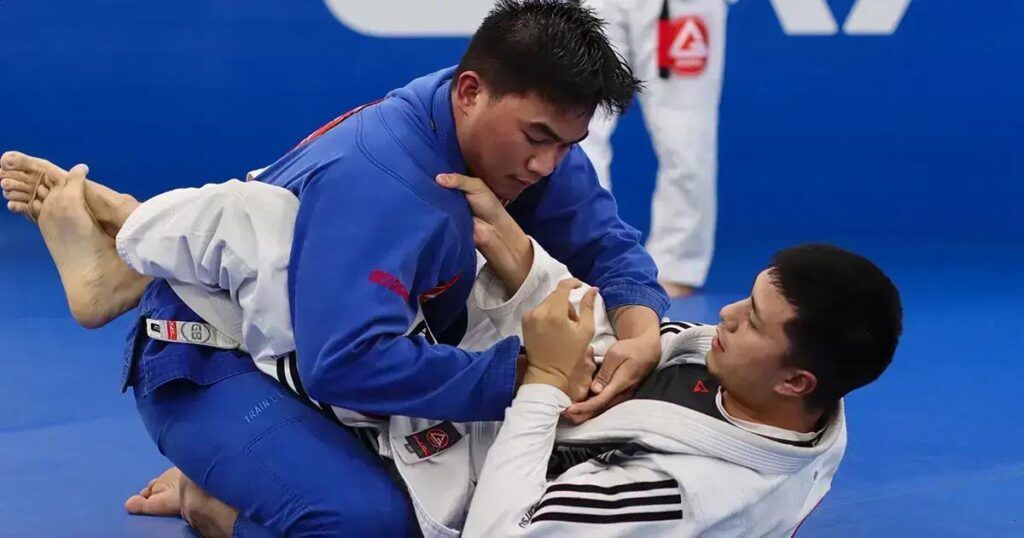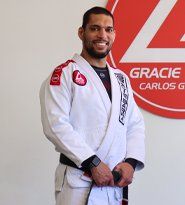
Have you ever thought about how you can enjoy Jiu-Jitsu without worrying about getting hurt? Hi, I am Head Prof. Seidler Rodrigo from Gracie Barra Riverton, and I have seen countless students transform not only their skills but also their confidence by training safely on the mat. Jiu-Jitsu is a journey that demands respect for oneself and your training partners. Following safe training rules ensures your growth continues smoothly, keeping injuries away. And honestly, this is how we keep learning on and off the mat.
Understanding the Importance of Safety in Jiu-Jitsu Training
At Gracie Barra Riverton, understanding the importance of safety in Jiu-Jitsu training is the foundation of every class we teach. What I see on the mat every day is that safety is not just about avoiding injuries; it is a way to build trust, respect, and confidence among students. When you feel safe, you allow yourself to fully engage, learn, and grow. This safe environment is what transforms Jiu-Jitsu from a sport into a lifestyle that improves your mental and physical well-being.
Safety as a Foundation for Growth
You will notice that when safety is prioritized, students progress faster, because they can train consistently without interruption from injuries. The great thing is that learning to respect limits on the mat helps in other parts of life too. Just like in life, Jiu-Jitsu teaches patience and awareness—knowing when to push forward and when to step back.
One of the biggest breakthroughs for our students is when they realize that tapping out or communicating with their partner is a sign of strength, not weakness. It’s about understanding your boundaries and respecting others, creating a supportive community where everyone thrives.
The Role of Respect and Communication
Respect goes hand in hand with safety. At Gracie Barra Riverton, we emphasize clear communication between partners before, during, and after rolling. What happens next after a tap or a pause can promote learning and protect your body for the long term. Teaching this mindset helps students build lifelong relationships and a strong sense of responsibility.
Learning Jiu-Jitsu safely is much like navigating life’s challenges. You learn to stay calm under pressure, listen to your body, and adapt your strategy. This skill gives you confidence that transcends the mat and helps you in everyday situations.
“Teaching safety is about teaching respect—respect for yourself and for others. That’s the heart of Jiu-Jitsu at Gracie Barra Riverton.” – Head Prof. Seidler Rodrigo
Key Rules to Follow When Rolling to Avoid Injuries
At Gracie Barra Riverton, teaching the key rules to follow when rolling is more than just about preventing injuries; it is about creating a culture of care and respect on the mat. What I see on the mat every day is how these rules allow students to train confidently without fear, which leads to faster progress and a deeper love for Jiu-Jitsu.
Respect the Tap and Communicate
One of the fundamental rules is understanding and respecting the tap. You will notice that tapping out is not a sign of failure but a way to protect yourself and your partner. What happens next is what really matters – when students genuinely communicate and learn from each exchange, they grow stronger physically and mentally. This lesson of listening and responding carefully has a powerful impact beyond the gym.
Control Your Strength and Train Smart
What I often remind students is that rolling isn’t about overpowering your partner but about control and technique. Using excessive force is risky and unnecessary. The great thing is that learning to use just the right amount of pressure teaches patience and precision, qualities you carry into everyday life. It’s like learning to handle difficult conversations at work with calm focus rather than rushing to control everything.
Warm Up Properly and Know Your Limits
A good warm-up is essential to prepare your body and mind. At Gracie Barra Riverton, we emphasize warming up thoroughly because it helps prevent injuries and sharpens your focus. Knowing your limits and being honest with yourself during training is a skill that transfers well into managing life’s stresses. The biggest breakthroughs happen when students stop pushing through pain and start listening to their bodies.
“The key to safe rolling is respect – respect for your partner, your body, and the journey. At Gracie Barra Riverton, we build that respect every day.” – Head Prof. Seidler Rodrigo
How Communication with Your Training Partner Enhances Safety
At Gracie Barra Riverton, one of the most important keys to safe Jiu-Jitsu training is clear and respectful communication with your training partner. What I see on the mat every day is that communication builds trust, which is the foundation of safety and progress. When students talk openly about their limits and intentions, they create an environment where learning happens without fear or hesitation.
Why Communication Matters
You will notice that when you communicate before and during rolling, it changes everything. For example, agreeing on the intensity level or signaling when something doesn’t feel right allows both partners to adjust immediately. This simple practice reduces the risk of injury and makes the training more enjoyable for everyone.
Communication Builds Confidence and Respect
One of the biggest breakthroughs for our students is when they realize that speaking up is a strength, not a weakness. It creates a culture of respect that extends beyond the gym. Just as in life, expressing your needs clearly and listening to others leads to stronger relationships and better outcomes.
Tools to Improve Communication
- Always ask your partner about their experience and comfort level before rolling.
- Use simple gestures or verbal taps to indicate when to stop or slow down.
- Debrief after rolling by sharing what worked well and what could be improved.
The great thing is that these communication skills make you more aware not only of your training partners but also of your own body. That awareness helps you avoid injuries and accelerates your learning process.
“Good communication on the mat is like a conversation in life; it builds understanding, safety, and mutual growth. That’s the heart of what we teach at Gracie Barra Riverton.” – Head Prof. Seidler Rodrigo
Listening to Your Body: Knowing When to Tap and Rest
At Gracie Barra Riverton, one of the most valuable lessons I teach is the importance of listening to your body, especially when it comes to knowing when to tap and when to rest. What I see on the mat every day is that students who learn this skill not only avoid injuries but also develop a deeper respect for their own limits, which leads to lasting improvement and confidence.
The Power of Tapping
You will notice that tapping out is not moving backwards; it’s a smart decision that protects your body and mind. It’s like hitting pause to assess the situation, much like taking a step back in life when faced with overwhelming challenges. This teaches patience and humility, qualities that open the door to real growth both on and off the mat.
Rest as a Tool for Progress
What happens next after you tap is just as important as the tap itself. Resting allows your body to heal and your mind to process what you’ve learned. At Gracie Barra Riverton, we emphasize that rest is not a sign of weakness but a strategic move that fuels your long-term progress. Just like in any demanding activity, knowing when to recharge is vital for sustained success.
Recognizing Your Limits
One of the biggest breakthroughs I see for our students is when they start recognizing signs of fatigue or discomfort early and respond appropriately. This self-awareness doesn’t just prevent injuries; it builds discipline and emotional intelligence, helping you stay balanced in daily life.
“Listening to your body is listening to your journey. It teaches you respect for yourself and the process, and that’s the heart of training at Gracie Barra Riverton.” – Head Prof. Seidler Rodrigo
Creating a Supportive Environment at the Jiu Jitsu School
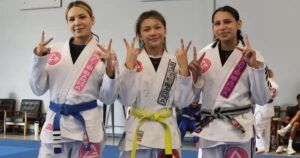
At Gracie Barra Riverton, creating a supportive environment is not just a goal; it is the heart of everything we do. What I see on the mat every day is a community where students lift each other up, celebrate progress, and learn from setbacks with kindness and respect. This culture of support helps students feel safe, welcomed, and motivated to keep growing.
Building Trust Through Connection
You will notice that when a school prioritizes support, students form strong bonds that go beyond training sessions. This connection builds trust, which allows everyone to train with confidence and push their limits safely. Just like in life, having a supportive community helps you face challenges with courage and resilience.
Encouraging Learning and Patience
One of the biggest breakthroughs for our students is when they realize that progress sometimes comes slowly and that patience is part of the process. At Gracie Barra Riverton, we encourage students to celebrate every small win and understand that mistakes are valuable lessons. This mindset creates an atmosphere where everyone feels comfortable asking questions and trying new techniques.
The Role of the Instructor and Senior Students
- Instructors lead by example, showing respect and care in every interaction.
- Senior students help newcomers, creating a chain of support and mentorship.
- Everyone is encouraged to respect each other’s journey and training pace.
The great thing about this environment is that it nurtures not only great athletes but also compassionate individuals who carry these values into their daily lives.
“A supportive school is like a family; it is where respect, kindness, and mentorship come together to create lasting confidence and strength. That is the spirit we build at Gracie Barra Riverton.” – Head Prof. Seidler Rodrigo
Thank you for taking the time to explore the safe training rules that keep you protected while enjoying Jiu-Jitsu. At Gracie Barra Riverton, we believe that understanding safety, communicating well with training partners, listening to your body, and creating a supportive community are key to not only avoiding injury but also building confidence, discipline, and lasting friendships.
If you have been thinking about starting, come visit us at Gracie Barra Riverton for a free class. I would be glad to welcome you on the mat and show you what Jiu-Jitsu can do for your life. Your journey to a safer and more confident you starts here.
FAQ – Safe Training in Jiu-Jitsu at Gracie Barra Riverton
How does Jiu-Jitsu training at Gracie Barra Riverton ensure safety for beginners?
We always tell our new students that safety starts with clear communication, respect for your partner, and listening to your body. Our instructors guide you step-by-step, ensuring you understand the rules to roll without getting hurt. Come try a free class to experience this supportive environment yourself.
What does it mean to ‘tap out’ and why is it important?
You might be surprised to learn that tapping out is a smart and brave way to protect yourself during training. It tells your partner to stop before any injury happens. Learning to tap builds respect and control, which are essential skills we teach at Gracie Barra Riverton. Join us for a free trial to practice this safely.
How do instructors at Gracie Barra Riverton teach injury prevention during rolling?
Our instructors emphasize using control rather than strength, warming up properly, and respecting your own limits. We create a culture where everyone feels safe to learn and grow together. If you want to see these methods in action, book a free class with us.
Is there a risk of getting injured while rolling in class?
While Jiu-Jitsu is a physical sport, we always prioritize safety through proper training rules and communication. Students quickly learn how to protect themselves and avoid injuries. We invite you to come experience our cautious and respectful approach by attending a free class.
How important is communication with my training partner for safety?
Communication is key to safety and trust on the mat. At Gracie Barra Riverton, we encourage students to talk openly about comfort levels and signal if they need to stop. This respect makes training more fun and safe. You’re welcome to try it yourself in a free trial class.
What if I feel tired or in pain during training? Should I keep going?
We always tell our students to listen to their bodies and rest when needed. Pushing through pain can lead to injury, so knowing when to tap or pause is a sign of strength and wisdom. Come visit us for a free class, and you’ll learn how to train smart and safely.