Ever step onto the mat wondering what gear you really need to start your Jiu-Jitsu journey? Hi, I am Head Prof. Seidler Rodrigo from Gracie Barra Riverton, and I have seen many beginners come into our school overwhelmed by the equipment options for BJJ. The truth is, starting with the right gear can make a big difference in your training experience and confidence. But it’s not about having everything from day one; it’s about knowing what truly makes a difference and what you can leave for later. This guide will help you focus on what matters most so you can enjoy the gentle art without stress or unnecessary spending.
Essential Jiu-Jitsu Gear: What Beginners Should Start With
At Gracie Barra Riverton, the first step for every beginner is understanding why the right gear matters, not just what gear you buy. What I see on the mat every day is that when students come prepared with essential equipment, they feel more confident and ready to learn. It's not about having the fanciest gi or the most accessories, but having gear that supports your learning and comfort.
The Importance of a Good Gi
The gi is more than just a uniform; it’s your training partner’s main grip and your first tool on the mat. Choosing a gi that fits well and feels comfortable will allow you to focus on technique instead of distractions. Many new students struggle with oversized or stiff gis, which can slow progress and cause frustration. I always tell beginners, "A gi that's comfortable makes you want to come back to class." When you feel good wearing your gear, your confidence grows naturally.
Why a Quality Belt Matters
Your belt isn’t just a ranking symbol; it represents your commitment and progress. At Gracie Barra Riverton, I emphasize that tying your belt right is a small act of respect to yourself and the art. It becomes a reminder of each step you take on and off the mat. One of the biggest breakthroughs for our students is when they realize that even simple tasks, like securing their belt, teach discipline and care.
Additional Essentials: Mouthguard and Rash Guard
Beyond the gi and belt, a mouthguard is essential for protecting your smile and staying safe during live training. The great thing is a mouthguard also gives you peace of mind, letting you engage fully in the moment. A rash guard under your gi keeps you comfortable and hygienic, especially when classes get intense or sweaty. These small items are investments in your health and long-term enjoyment of Jiu-Jitsu.
Choosing the right gear is about setting yourself up for success. Remember what I say often at Gracie Barra Riverton: "Jiu-Jitsu is not about fighting, it’s about growing." The right gear supports your growth by helping you focus on learning, feeling secure, and building confidence that moves beyond the mat.
What You Can Skip: Avoiding Unnecessary Equipment Purchases
At Gracie Barra Riverton, I often see new students overwhelmed by all the gear options out there. What I tell them is to focus on what truly supports their journey and skip what doesn’t. It’s not about buying everything; it’s about investing in what builds your confidence and skills. Too much gear can distract you and even make training feel like a chore.
Understanding What Is Not Essential at the Start
One of the biggest breakthroughs for our students is realizing that flashy accessories or multiple gis are not necessary when you begin. You don’t need expensive rash guards, special shorts, or every gadget on the market right away. What happens next is that this simplification helps you concentrate on learning and progressing without feeling overwhelmed.
The Risk of Overbuying
Buying too much too soon can lead to wasted money and confusion. It’s like rushing into a recipe without mastering the basics; the result is often frustrating. Instead, start with essentials and upgrade when your practice demands it. You will notice that this approach builds patience and discipline, values that go beyond the mat.
The Value of Prioritizing Quality Over Quantity
Choosing one good quality gi and belt will serve you better than owning many lower-quality items. At Gracie Barra Riverton, we encourage students to focus on durability and comfort so their gear supports their growth and longevity in Jiu-Jitsu. This mindset translates into everyday life, teaching mindful decisions and responsibility.
Remember, Jiu-Jitsu is a long journey. As I often say, "What counts is not how much you have, but how well you use what you have." Choosing your gear wisely will make your path clearer, safer, and more rewarding.
How to Choose Your First Gi and Gear With Confidence
Choosing your first gi and gear can feel overwhelming, but at Gracie Barra Riverton, I always remind my students that this decision is about setting a foundation for your journey. What I see on the mat every day is that confidence in your gear translates into confidence in your training. When your gi fits well and your gear feels right, it’s easier to focus on learning and growing.
Finding the Right Fit
A gi that fits well is like a good pair of shoes; it supports every move you make and prevents distractions. Many beginners come with gis that are too big or too small, and it shows in their discomfort and hesitation. I encourage choosing a gi that allows freedom of movement while staying snug enough to avoid getting caught easily. This balance teaches patience and awareness – skills important both on and off the mat.
Material and Durability Matter
Not all gis are created equal. What happens next for new students is learning to appreciate quality. A durable gi stands up to the rigorous training sessions and saves you money in the long run. At Gracie Barra Riverton, we guide students to select gear made from good materials that breathe well and last longer, so you can stay comfortable and focused.
Budgeting with Purpose
Investing in your gear is about prioritizing your growth, not spending beyond your means. I often tell students, "It's better to invest in one good gi than several cheap ones." Starting with essentials helps you avoid unnecessary purchases and channels your resources toward consistent training and improvement.
Remember, choosing your first gi and gear is a step toward embracing discipline and commitment. As Head Prof. Seidler Rodrigo says, "The right gear is more than fabric; it’s your partner on the path to becoming your best self." When you feel confident in your equipment, you bring that confidence onto the mat and into your life.
Understanding No-Gi Gear: What Beginners Need to Know
At Gracie Barra Riverton, we often introduce students to no-gi Jiu-Jitsu once they feel comfortable with the basics of gi training. What I see on the mat every day is that understanding no-gi gear is about more than just clothing; it’s about preparing your body and mind for a different style of movement and connection.
The Essentials of No-Gi Gear
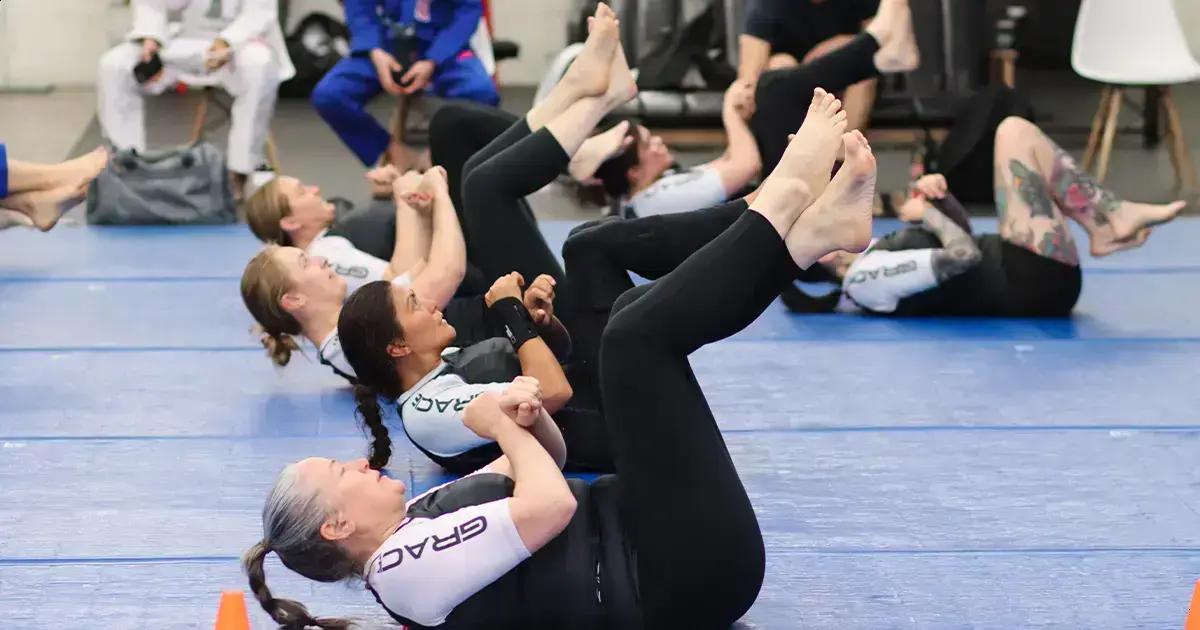
No-gi gear typically includes a rash guard and shorts designed to fit snugly and move with you. The great thing is this gear reduces the chance of skin irritation and helps you focus more on technique than on discomfort. What happens next for many students is discovering how the lighter gear allows faster, more fluid movements, which builds agility and adaptability, skills useful both in training and daily life.
Why Comfort and Fit Matter
A poor-fitting rash guard or shorts can distract you and even cause injury due to excessive slipping or bunching. One of the biggest breakthroughs for our students is when they learn to listen to their bodies and choose gear that supports safe and effective training. At Gracie Barra Riverton, we emphasize that comfortable gear helps you trust your movements and focus on growth, just like having supportive people around you nurtures confidence in life.
Preparing for No-Gi Training
No-gi training offers unique challenges, and the right gear prepares you for them. Think of it like wearing proper shoes for a sport; without the right support, you limit your performance. The no-gi gear gives you confidence, freedom, and safety, reinforcing the discipline and respect that guide Jiu-Jitsu practice. As I often remind our students, "Choosing the right gear is the first step in trusting the process and yourself."—Head Prof. Seidler Rodrigo.
Maintaining Your Jiu-Jitsu Equipment for Longevity and Performance
At Gracie Barra Riverton, we teach our students that taking care of your Jiu-Jitsu gear is an important part of the journey. What I see on the mat every day is that students who maintain their equipment not only protect their investment but also show respect for the art and themselves. Proper gear care supports long-term performance and keeps you comfortable and confident during training.
Keeping Your Gi Clean and Fresh
Your gi is your training uniform and deserves special attention. Washing it properly after each class removes sweat and bacteria, preventing odors and skin irritations. I often tell my students that maintaining a clean gi is like clearing your mind before each class; it prepares you physically and mentally. When you don’t care for your gi, it can cause discomfort that distracts you from learning.
Inspecting and Repairing Gear
Regularly checking your gi and belt for tears or loose stitching helps you avoid bigger problems. I remember one student who ignored small rips and ended up with a gi torn during an important seminar. What happens next is that maintaining your gear teaches responsibility and attention to detail, qualities that reflect on and off the mat.
Storing Your Gear Correctly
After class, airing out and properly storing your gi and no-gi gear helps prevent mildew and bad smells. Treat your gear like a trusted companion on your journey; respect it and it will serve you well. A student once told me that taking care of their gi became a daily ritual that grounded them, much like a moment of mindfulness in a hectic day.
Remember, as Head Prof. Seidler Rodrigo says, "Caring for your gear is not just about equipment, it’s about preparing your body and mind for the challenges ahead." By maintaining your Jiu-Jitsu equipment, you set yourself up for consistent progress and a richer training experience.
If you have been thinking about starting Jiu-Jitsu, I invite you to come visit us at Gracie Barra Riverton for a free class. It’s incredible to see how just a little gear and the right mindset can open the door to so much growth, confidence, and community. I would be glad to welcome you on the mat and show you what Jiu-Jitsu can do for your life. Remember, the journey begins with that first step, and here at Gracie Barra Riverton, we’re ready to support you every step of the way.
FAQ - Frequently Asked Questions About Jiu-Jitsu Gear for Beginners
What are the absolute essentials I need to start training in Jiu-Jitsu?
We always tell our new students that starting with a good quality gi, a belt, and a mouthguard covers the essentials. These items will keep you comfortable and safe while allowing you to focus on learning the art.
Do I need to buy expensive gear as a beginner?
You might be surprised to learn that expensive gear is not necessary at the beginning. At Gracie Barra Riverton, we encourage students to start with quality, comfortable essentials and upgrade their gear only when needed.
Can I skip buying rash guards and special shorts when beginning?
Yes, many beginners skip rash guards and special shorts until they start no-gi training. We recommend focusing on the basics first; you can add more gear as you progress and understand your training needs better.
How do I know which gi size is right for me?
Choosing the right gi size is like finding a pair of shoes that fits well. It should feel comfortable, not too tight or too loose. At Gracie Barra Riverton, we help beginners pick the right fit so they can move freely and confidently on the mat.
How should I take care of my Jiu-Jitsu gear?
Taking care of your gear is part of respecting your journey. We always advise washing your gi after every class, checking for damage regularly, and storing your equipment properly to keep it fresh and durable.
Can I try Jiu-Jitsu before buying any gear?
Absolutely! We invite you to book a free trial class at Gracie Barra Riverton. You can experience the art, meet our instructors, and get a feel for what gear will work best for you before making any purchases.
Book a FREE trial class and fall in love with BJJ!