There is no universal answer to whether Jiu-Jitsu or a traditional gym will get someone into shape faster. Results depend on attendance, effort, activity intensity, recovery, nutrition and individual circumstances. The more useful question is which kind of exercise you are willing and able to repeat consistently. For another perspective on exercise habits and outcomes, explore Jiu-Jitsu for weight loss.
Choose by routine
- BJJ: guided skill practice, partners, grappling-based movement and scheduled classes.
- Traditional gym: more control over exercise selection, timing and resistance programming.
- Both: can be parts of an active lifestyle; neither guarantees weight loss or an injury-free experience.
- First step: check what you can sustain for several months, not just one intense week.
To compare the experience for yourself, take a look at our adult Jiu-Jitsu classes in Riverton and how Fundamentals sessions are organized.
How the sessions differ
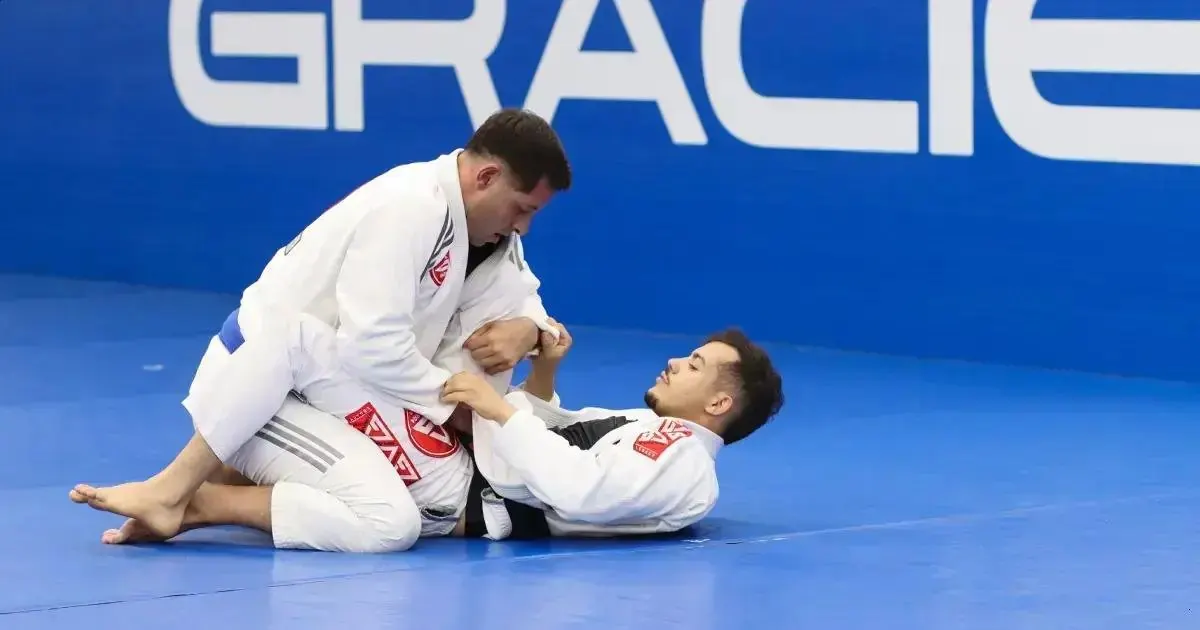
Jiu-Jitsu is typically structured around techniques and drills. You practice positions and movements while learning from an instructor and a partner. A conventional gym may offer resistance training, aerobic equipment, group classes or personal coaching, depending on the facility. You can often choose exercises and times more independently.
BJJ will not necessarily replace a progressive strength-training program; similarly, gym workouts alone do not teach Brazilian Jiu-Jitsu technique. Combining activities can make sense if recovery and schedule allow.
Which option is easier to keep in your schedule?
Someone who prefers a scheduled class and learning a new skill might enjoy BJJ. Someone who needs flexible training times or specific resistance exercises might prefer a gym. Before deciding, compare the actual Riverton BJJ timetable with your work hours and commute.
Safety and starting intensity
BJJ involves close physical contact and can place demands on joints and conditioning. Begin at an appropriate pace, use clear taps and share relevant restrictions with the instructor. Gym training also requires sensible technique and load progression. If a health condition or injury affects your ability to exercise, seek individualized advice rather than relying on an online comparison.
What does an introductory BJJ program look like?
At Gracie Barra Riverton, the published GB1 Fundamentals program serves adult beginners ages 16+. It offers a structured way to learn basic movements before considering more advanced classes. The school is at 2936 W 12600 S, Ste 1&2, Riverton, UT 84065.
You can book a free first class and the academy says it can lend a gi for that visit. That is a better opportunity to evaluate the activity than assuming it will deliver a particular fitness outcome.
How do costs compare?
Prices vary by gym, so compare actual contracts. Riverton publishes Team at $52 per week, Shield at $57 and Legacy at $67, billed every two weeks ($104/$114/$134). The required regular gi is separate, and the agreement includes a written 30-day cancellation notice requirement. Review the pricing guide before joining.
Questions to help you choose
- Do I prefer learning a sport with partners or following my own exercise plan?
- Can I consistently attend the scheduled classes?
- Do I need specialized strength training or a flexible gym timetable?
- Does the price, uniform requirement and agreement fit my budget?
- Am I comfortable with the type of physical contact involved?