About us • Riverton, Utah
About Gracie Barra Riverton
A welcoming home for Brazilian Jiu-Jitsu in Riverton — for adults, women, teens, and kids.
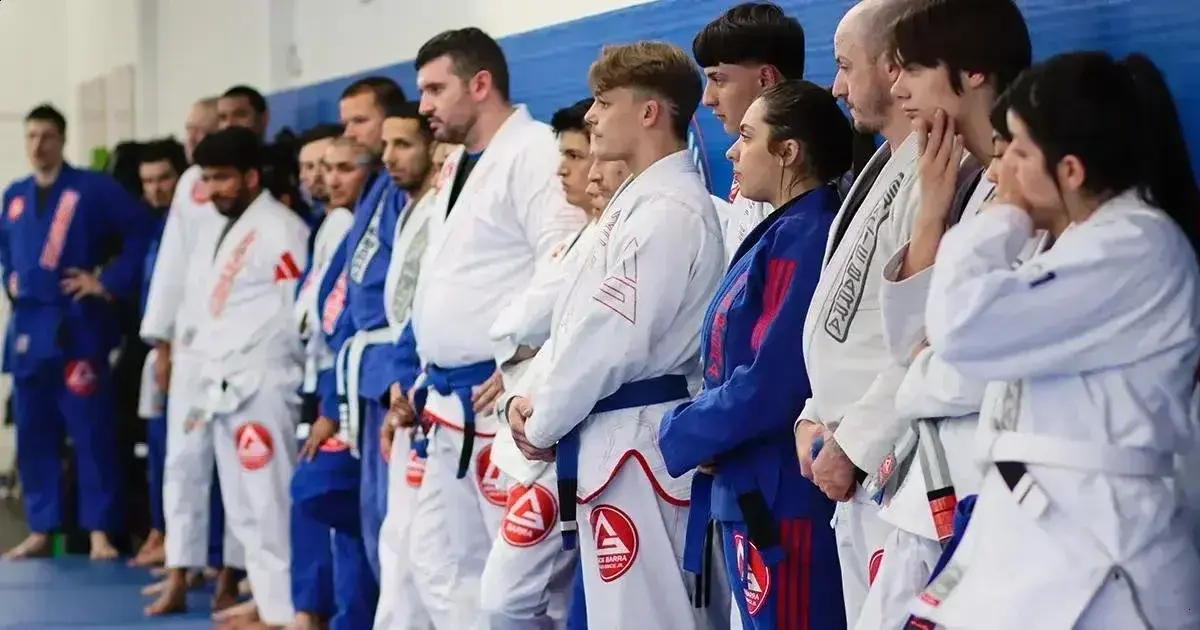
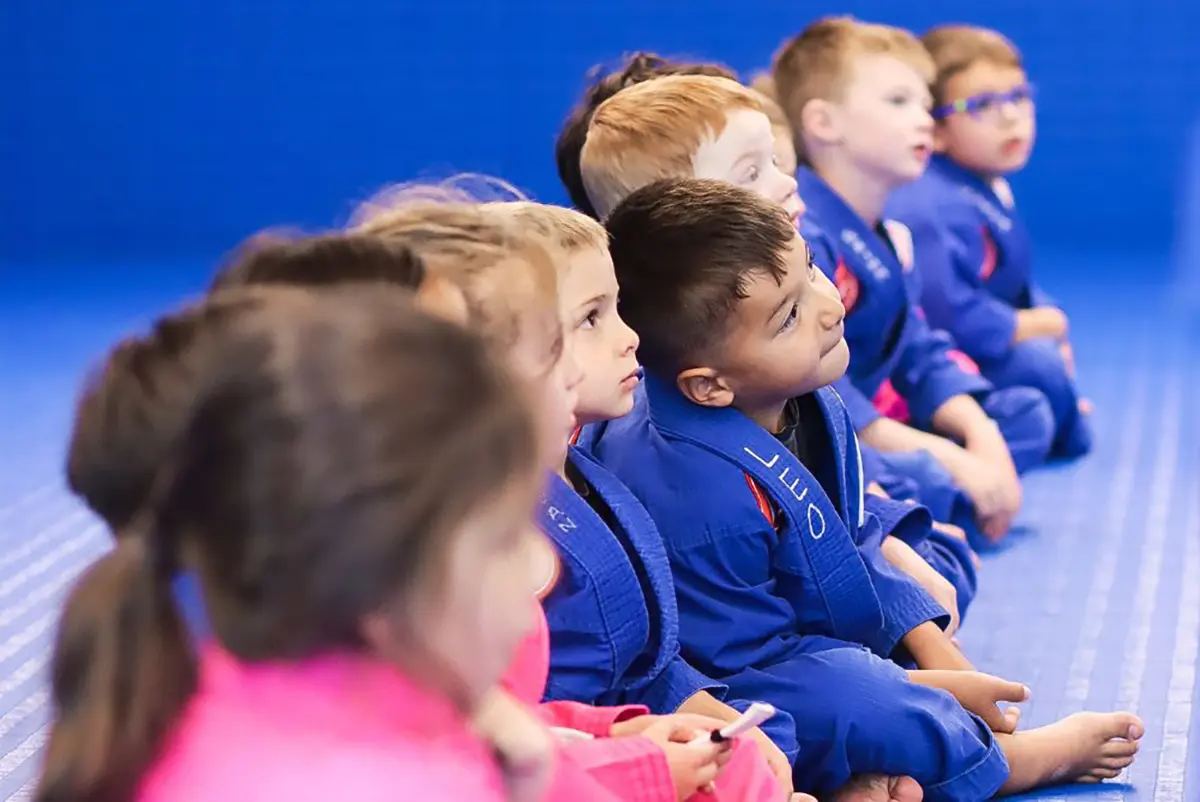
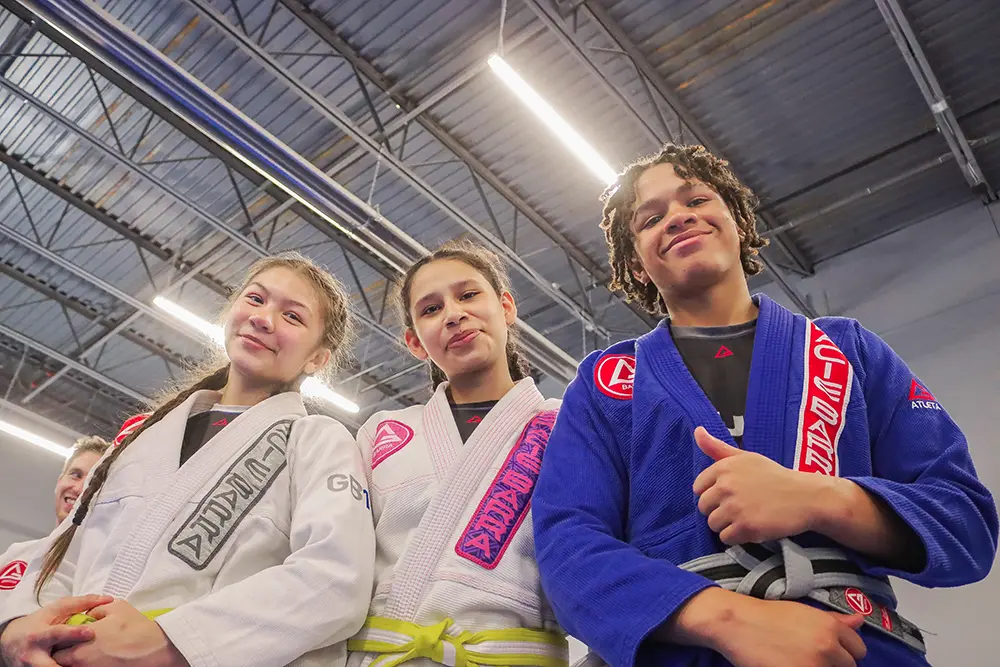
We exist for one reason: to make world-class Brazilian Jiu-Jitsu available to everyone in this community. Whether you're an adult getting back in shape, a woman learning self-defense, or a parent looking for something good for your kid, you'll find a friendly, professional place to train. Your first class is always free.

Our school
Built to serve the Riverton community.
Gracie Barra Riverton brought that method to Riverton and the southwest end of the Salt Lake Valley. Opened in March 2025. What started as a place to train has grown into a community of adults, women, teens, and kids who train hard and look out for each other.
Our school is led by Head Prof. Seidler Rodrigo, a Brazilian third-degree black belt who developed his roots at Gracie Barra School #1 in Brazil before coming to the United States. Today he leads Gracie Barra Riverton along with three other schools in Utah, and he oversees every student's path from white belt to black belt.
We're officially recognized as a Gracie Barra Premium School, reflecting our commitment to structured instruction, a professional training environment, consistent programs, safety, respect, and long-term student progress. Come visit our school.
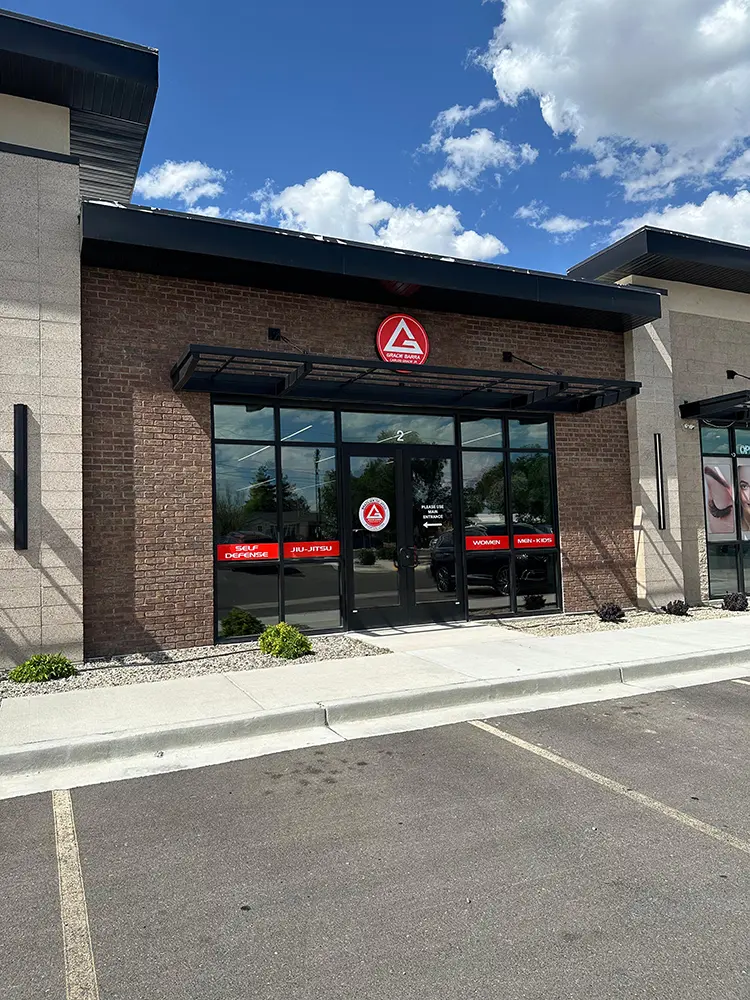
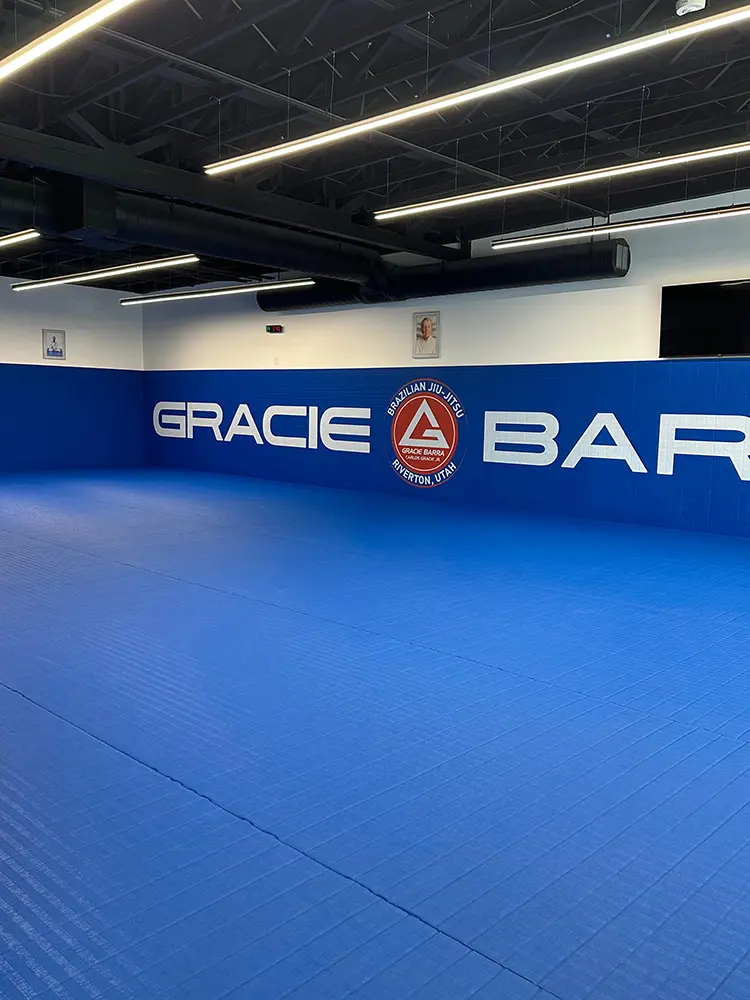
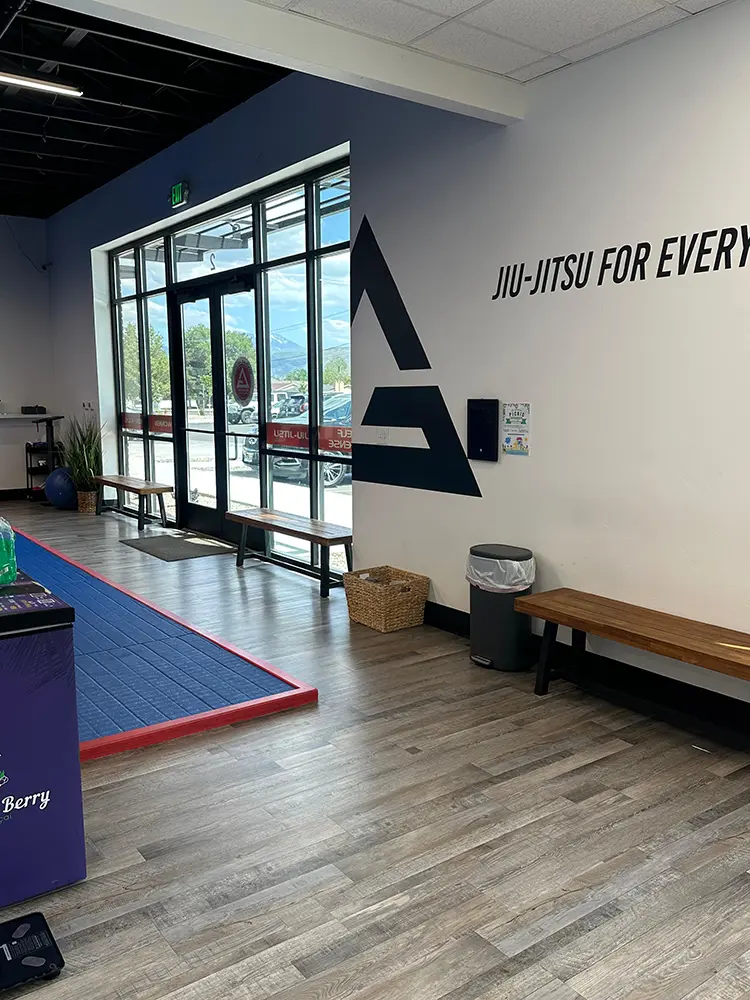
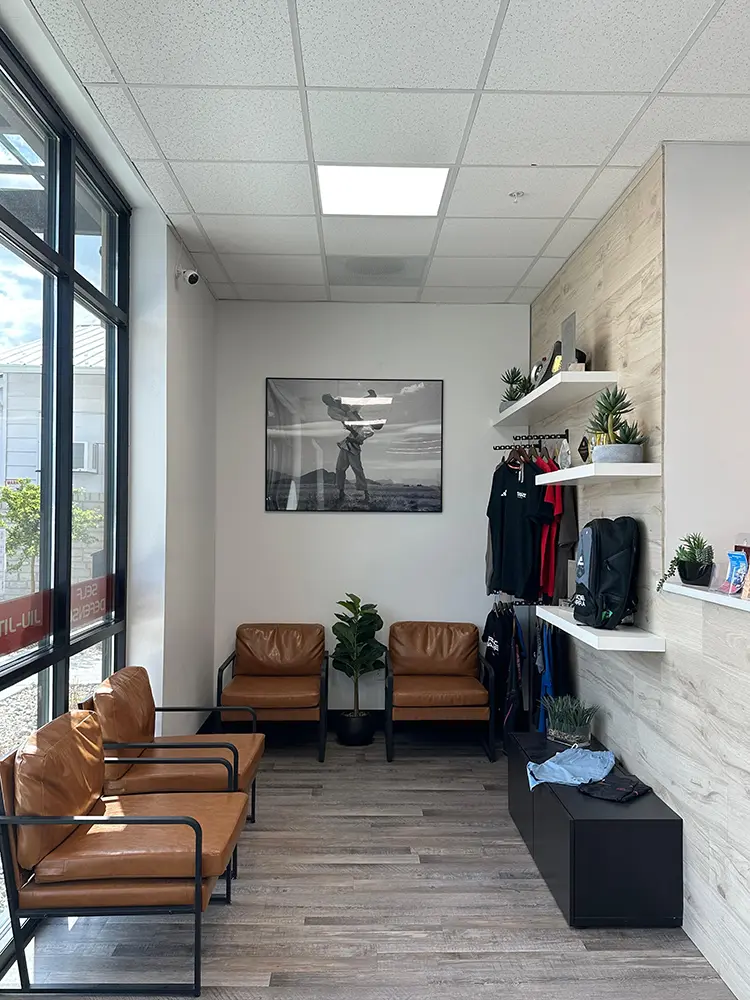
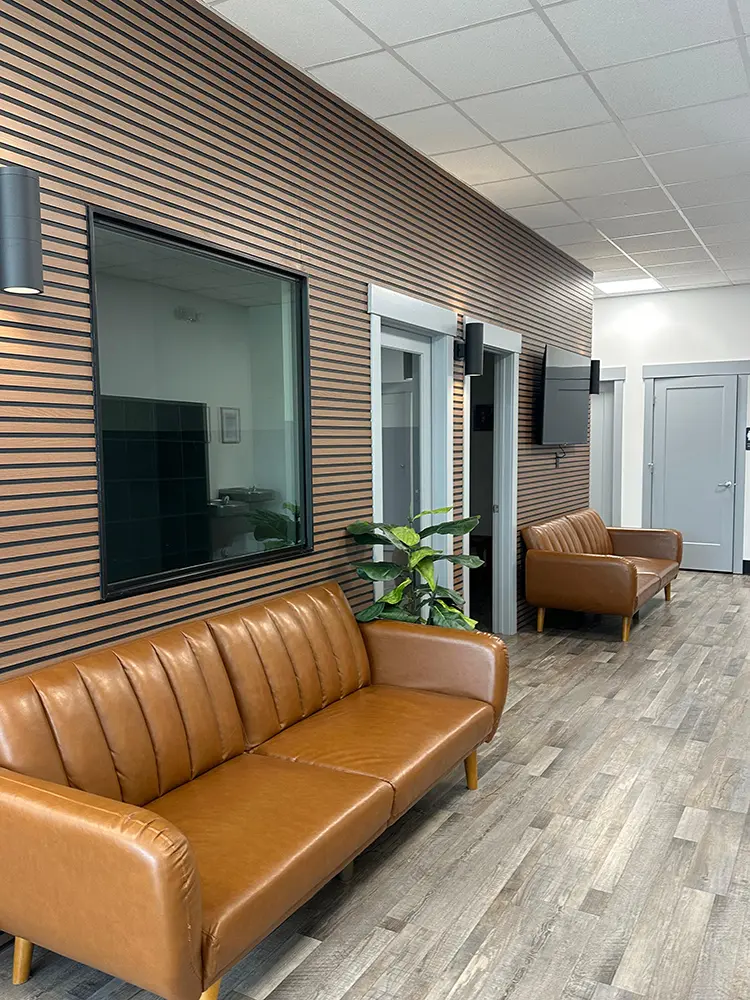
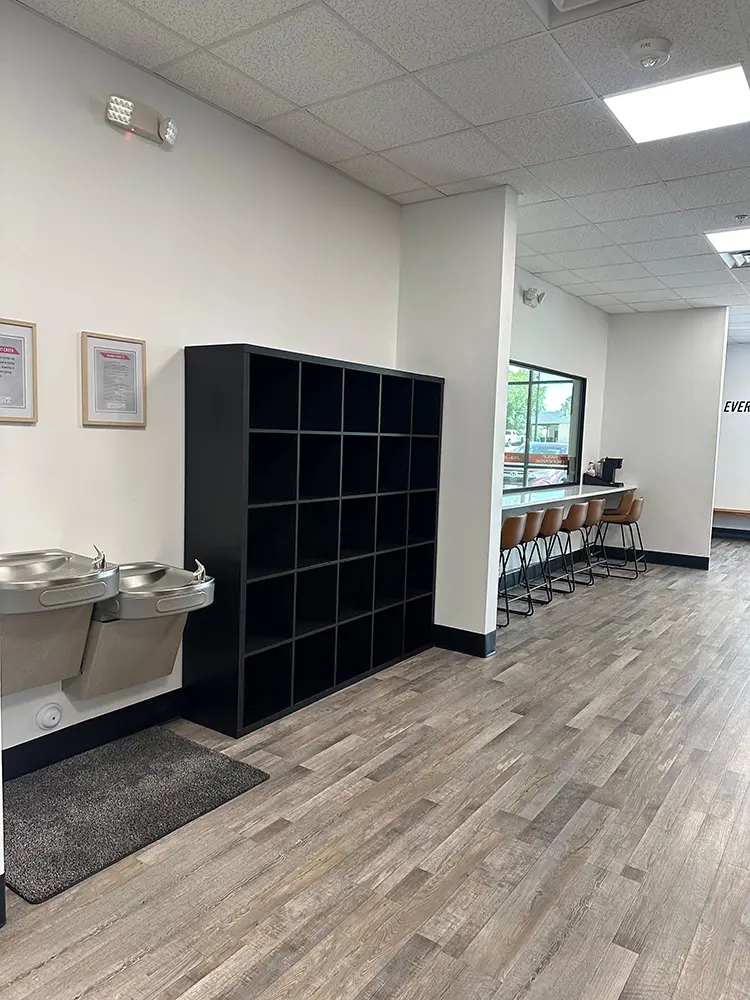
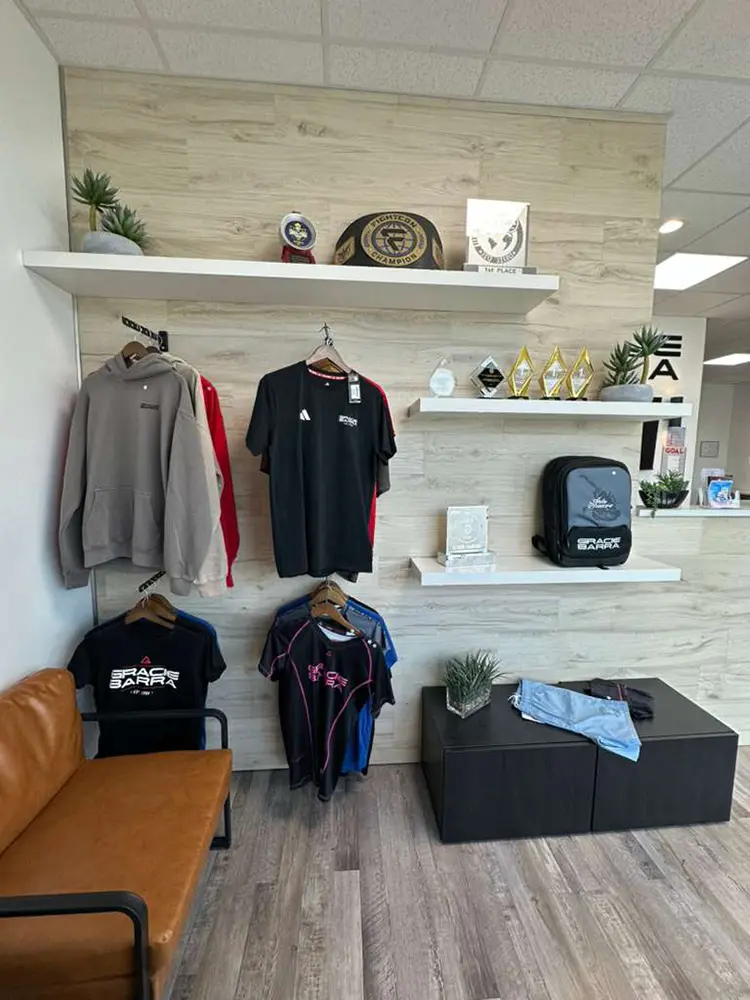
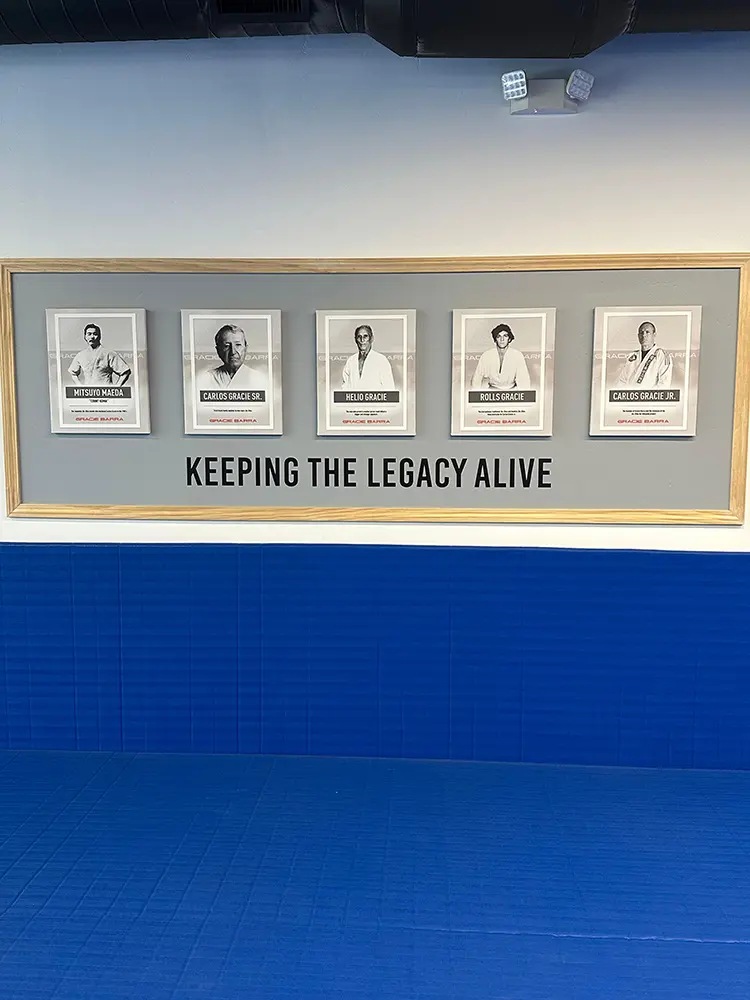
Use the arrows to browse the photos and get to know our school.
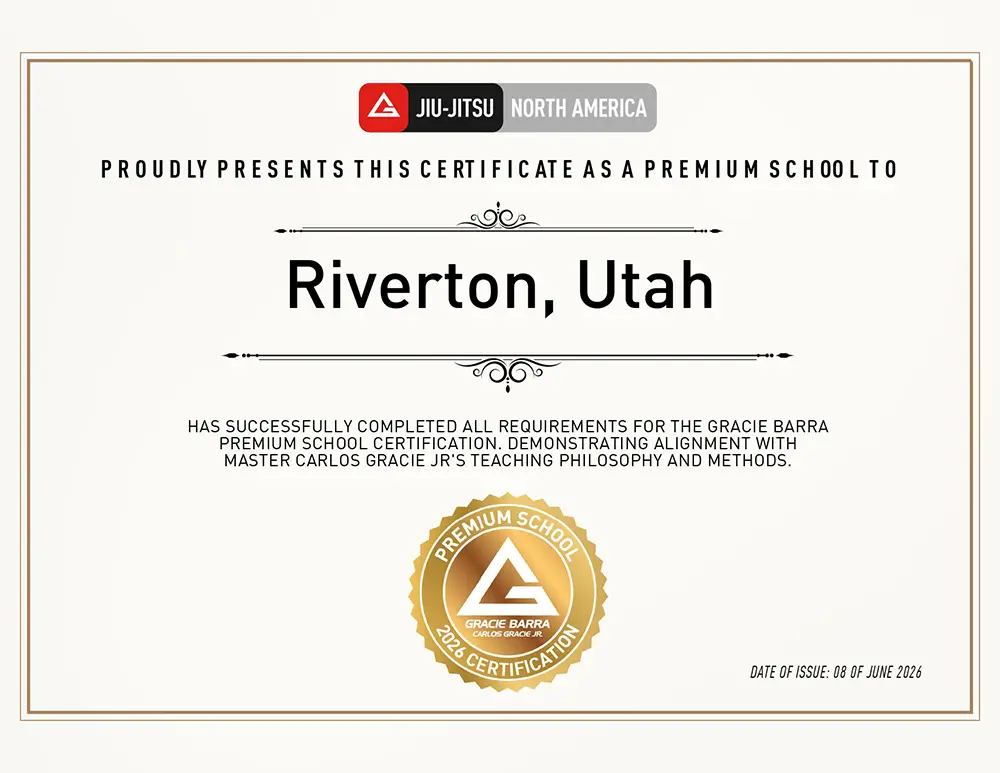
Premium School Recognition
A premium standard, visible in every class.
Gracie Barra Riverton is officially recognized as a Gracie Barra Premium School. The certificate shown here confirms that status within the Gracie Barra network.
For our students and families, "Premium" is not a different class package. It is the standard we work to maintain every day: structured instruction, a professional training environment, consistent programs, and a team focused on safety, respect, and long-term progress.
The best way to understand the difference is to experience the academy in person. Visit the school, meet the instructors, and see how every student is welcomed and guided from the moment they walk in.
Your instructors
Instructors you can count on.
Every class is led by an instructor trained in the Gracie Barra method. Each one is ICP certified, CPR trained, and background checked, so you and your family are in safe, capable hands from the first class on.
They also teach with patience instead of ego, which matters more than any credential when you're the newest person in the room.
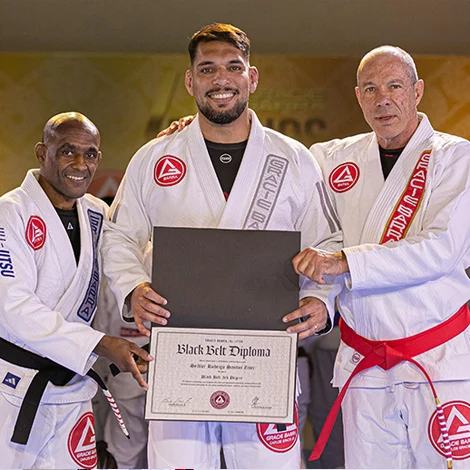
Where Gracie Barra began
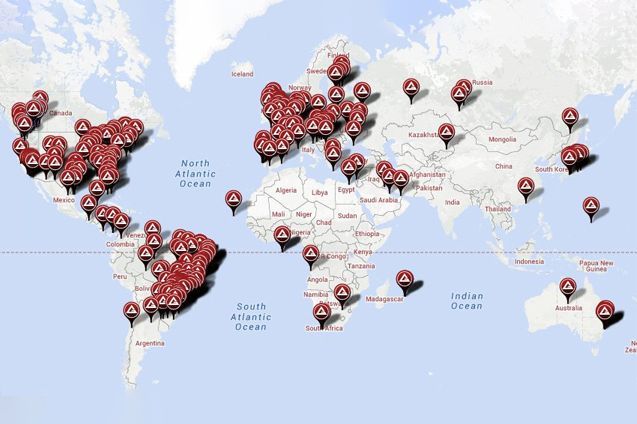
One school in Rio. Now more than 1,300.
In 1986, Grand Master Carlos Gracie Jr. opened a small Jiu-Jitsu school in Barra da Tijuca, a quiet beach neighborhood outside Rio de Janeiro. He started with about twenty students. People began calling them os Gracies da Barra — the Gracies of Barra — and the name stuck. That's where "Gracie Barra" comes from.
Friends told him Barra was too far from the city for a school to survive. Within a year he had two hundred students.
Today Gracie Barra is one of the largest Brazilian Jiu-Jitsu organizations in the world, with more than 1,300 schools. Grand Master Carlos also founded the IBJJF, the federation that runs the sport's biggest tournaments. His goal has never changed: a Gracie Barra school in every city in the world.
How Jiu-Jitsu got here
The family that built the art.
Gracie Barra didn't appear out of nowhere. It comes from the family that took Japanese jiu-jitsu and turned it into what the world now calls Brazilian Jiu-Jitsu.
-
1917
A Japanese master lands in Brazil
Mitsuyo Maeda, known as Conde Koma, was a student of Jigoro Kano, the founder of judo. Kano sent his best students abroad to spread the art. Maeda settled in Belém, in northern Brazil, and began teaching a teenager named Carlos Gracie.
-
1925
The first Gracie academy opens
Carlos Gracie Sr. opened the first Gracie Jiu-Jitsu academy in Rio de Janeiro, and taught what he had learned to his younger brothers, including Hélio Gracie. That school is considered the birthplace of Brazilian Jiu-Jitsu.
-
1930s
onwardA family rebuilds the art
Carlos and Hélio reworked the techniques around leverage, timing, and position instead of size and strength, so a smaller person could control a bigger one. They tested it in open challenge matches for decades. That system is what we train today.
-
1986
The next generation organizes it
Carlos Gracie Jr. founded Gracie Barra and began turning the family's knowledge into a written curriculum — something that could be taught the same way in any city, by any certified instructor, to anyone who walked in.
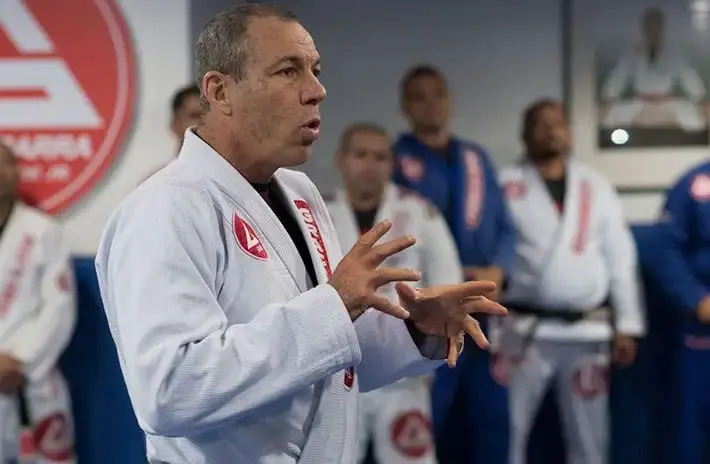
Carrying the family legacy forward.
Grand Master Carlos Gracie Jr. is the son of Grand Master Carlos Gracie Sr. and the nephew of Grand Master Hélio Gracie — the two brothers who turned what Maeda taught into Brazilian Jiu-Jitsu. He taught at the family's main academy in Rio, and later took over his older brother Rolls Gracie's school after Rolls passed away.
Then, in 1986, he founded Gracie Barra — not to replace what his father and his uncle had built, but to organize it so it could reach the rest of the world. That lineage runs unbroken from a small academy in Rio in 1925 to the mats here in Riverton.
The Gracie Barra method
A curriculum, not a collection of classes.
Since 1986, Grand Master Carlos Gracie Jr. has dedicated himself to one thing: turning his family's knowledge into a written program that any certified instructor can teach the same way, anywhere in the world. Here's what it means for you on the mat.
01
Every class fits a program
You're not learning whatever the instructor felt like teaching that night. Each class sits inside a sequence, so the technique you drill this week connects to the one you drilled last week.
02
Beginners start in Fundamentals
The core positions, escapes, and movements come first, broken down slowly. Advanced training comes after that foundation is built, not instead of it.
03
The same in Riverton as in Rio
Move cities, travel for work, visit family. The same structured Gracie Barra curriculum follows you from school to school, so your training remains familiar when you travel or relocate.
04
Instructors are certified, not just skilled
Being good at Jiu-Jitsu and being able to teach it are different things. Every Gracie Barra instructor goes through the organization's certification program, so the quality of your class doesn't come down to luck.
05
Jiu-Jitsu for everyone
The principle underneath all of it. Not only for athletes, not only for the young, not only for men. From complete beginners to experienced competitors, the Gracie Barra method is designed to make Jiu-Jitsu accessible across ages and experience levels.
What we stand for
More than a martial art.
Four things guide what happens on our mats.
Respect
For your instructors, for your training partners, and for yourself. It's the first thing you learn here and the last thing we'd ever compromise on.
Discipline
The steady, unglamorous effort that actually builds skill. Showing up on the days you don't feel like it is where the progress lives.
Community
A room that celebrates your progress instead of competing with it. Your training partners want you to get better, and they'll tell you so.
Growth
A little stronger, a little calmer, a little more confident than last month. Not perfection, just direction.
Come see us
Your first class is free.
You've read the story. Now come be part of it. Book a free class, meet the instructors, and see what makes this place feel like home. We can't wait to meet you.