Martial arts guide • Riverton, Utah
Jiu-Jitsu vs other martial arts: which one fits you?
Judo, wrestling, karate, taekwondo, Muay Thai, kickboxing and MMA, compared side by side.
Every martial art builds fitness, focus and confidence. Each one just gets there in its own way. This guide shows what each art teaches, who it suits, and where Brazilian Jiu-Jitsu fits, so you can choose with confidence.
Updated October 2026
The short version
- The short answer
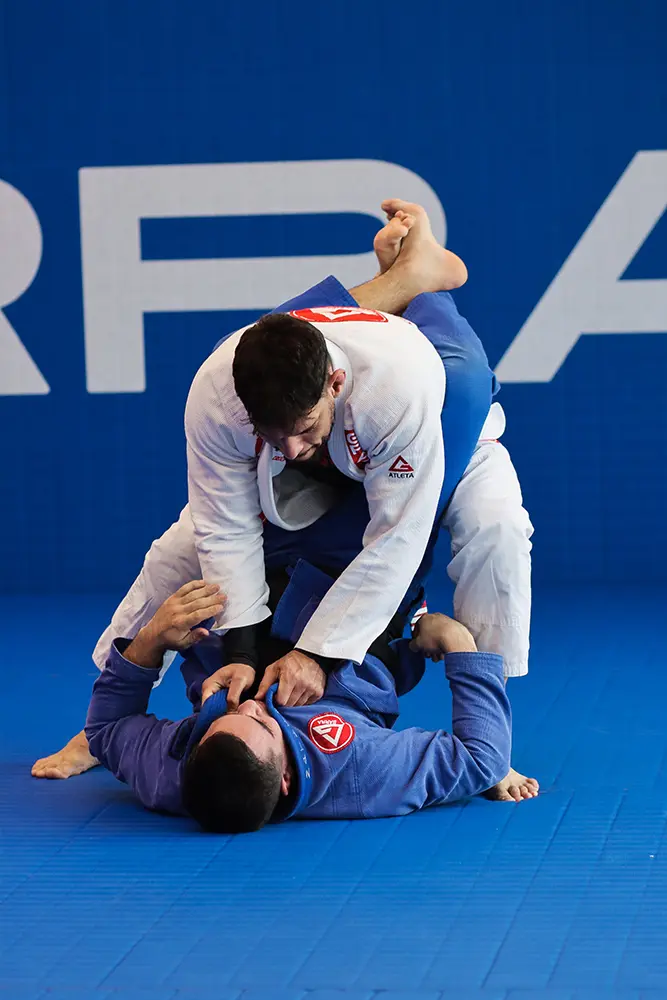
- Pick a striking art to learn punches and kicks, judo or wrestling for throws and takedowns, MMA to mix them, and Jiu-Jitsu to control the fight on the ground.
- What
- A side-by-side look at Brazilian Jiu-Jitsu, judo, wrestling, karate, taekwondo, Muay Thai, kickboxing and MMA.
- Who
- Adults choosing a first martial art, parents choosing for kids, and athletes from other arts.
- Where
- Gracie Barra Riverton teaches Jiu-Jitsu at 2936 W 12600 S, Riverton, UT.
- When
- Kids can start at 3, and adults at any age. Classes run six days a week. See the schedule.
- Why
- Each art builds different skills. The right one depends on your goals.
- How
- Read the comparisons, then book a free class to feel Jiu-Jitsu for yourself.
At a glance
Eight martial arts, side by side
The biggest difference is where each art spends its time: standing and striking, throwing and taking down, or controlling on the ground.
| Main focus | Starts from | Strikes | Submissions | Uniform | Olympic sport | |
|---|---|---|---|---|---|---|
| Brazilian Jiu-JitsuBrazil | Control and submissions, mostly on the ground | Standing, then the ground | No | Yes: joint locks and chokes | Gi, or rash guard and shorts for No-Gi | No |
| JudoJapan | Throws and pins | Standing | No | Yes: arm locks and chokes | Judo gi | Yes, since 1964 |
| WrestlingWorldwide | Takedowns and pins | Standing | No | No | Singlet | Yes, at the first modern Games in 1896 |
| KarateOkinawa, Japan | Punches, kicks and forms (kata) | Standing | Yes | No | Karate gi | Once, at Tokyo 2020 |
| TaekwondoKorea | Fast, high and spinning kicks | Standing | Yes | No | Dobok | Yes, since 2000 |
| Muay ThaiThailand | Punches, kicks, elbows, knees and the clinch | Standing | Yes | No | Shorts and gloves | No |
| KickboxingJapan and the US | Punches and kicks | Standing | Yes | No | Shorts or pants and gloves | No |
| MMAMixed | Striking and grappling combined | Standing and the ground | Yes | Yes | Shorts and gloves | No |
Jiu-Jitsu vs Judo
Brazilian Jiu-Jitsu vs Judo
Judo and Brazilian Jiu-Jitsu are close relatives. Jiu-Jitsu grew in Brazil in the early 1900s from the judo and Japanese jiu-jitsu taught there by Mitsuyo Maeda. Today, each one has its own focus.
What they share
- Both train in a gi and use grips on the collar and sleeves.
- Both teach throws, pins, arm locks and chokes.
- Both rely on balance and leverage more than strength.
How they differ
- Judo centers on throws. One clean throw can win a match.
- Jiu-Jitsu spends most of its time on the ground, with time to work for a pin or a submission.
- In judo, ground work is short. In Jiu-Jitsu, it is the main event.
Choose judo if
- You love throws and standing grip fights.
- You want to follow an Olympic sport.
Choose Jiu-Jitsu if
- You want to feel calm and in control on the ground.
- You want longer rounds to solve problems at your own pace.
Jiu-Jitsu vs Wrestling
Brazilian Jiu-Jitsu vs Wrestling
Wrestling is one of the oldest sports in the world, and many Americans first try it on a school team. Wrestlers often pick up Jiu-Jitsu quickly.
What they share
- Both teach takedowns, top control and balance.
- Both build serious strength and conditioning.
- Neither one uses punches or kicks.
How they differ
- Wrestling is won by pins and points. There are no chokes or joint locks.
- In wrestling, your back on the mat means trouble. In Jiu-Jitsu, you learn to fight well from your back, a position called the guard.
- Wrestlers train in a singlet. Jiu-Jitsu adds the grips of the gi.
Choose wrestling if
- You want a school team sport.
- You enjoy fast, explosive scoring.
Choose Jiu-Jitsu if
- You want a sport you can keep training at any age.
- You want submissions and defense from your back.
Want more detail? Read Brazilian Jiu-Jitsu vs wrestling: what transfers fast.
Jiu-Jitsu vs Karate
Brazilian Jiu-Jitsu vs Karate
Karate comes from Okinawa, Japan. It focuses on striking: punches, kicks, blocks and patterns called kata.
What they share
- Both use belt ranks and a clear path to follow.
- Both teach respect, discipline and focus.
- Both offer popular programs for kids.
How they differ
- Karate trains standing strikes. Jiu-Jitsu trains grips, takedowns and ground control.
- Much of karate practice is drills and kata. Jiu-Jitsu adds regular live training with a partner who resists, at a pace you control.
- Karate keeps distance. Jiu-Jitsu works up close.
Choose karate if
- You want to learn punches, kicks and traditional forms.
- You enjoy practicing patterns on your own.
Choose Jiu-Jitsu if
- You want to test techniques against a real, resisting partner.
- You want control without striking anyone.
Want more detail? Read Jiu-Jitsu vs karate classes: which one fits you.
Jiu-Jitsu vs Taekwondo
Brazilian Jiu-Jitsu vs Taekwondo
Taekwondo is a Korean martial art known for fast, high and spinning kicks. It has been an Olympic sport since 2000.
What they share
- Both use belts and a structured curriculum.
- Both build discipline, fitness and confidence.
- Both are popular with kids and families.
How they differ
- Taekwondo trains kicks and distance. Jiu-Jitsu trains close contact and the ground.
- Taekwondo matches score kicks to the body and head. Jiu-Jitsu matches score positions and submissions.
- Taekwondo builds flexibility and speed. Jiu-Jitsu builds grip, strength and body control.
Choose taekwondo if
- You love kicking, speed and flexibility.
- You want to follow an Olympic sport.
Choose Jiu-Jitsu if
- You want to know what to do when someone is close.
- You want to feel at ease if you end up on the ground.
Jiu-Jitsu vs Muay Thai
Brazilian Jiu-Jitsu vs Muay Thai
Muay Thai comes from Thailand. It is called the art of eight limbs because it uses punches, kicks, elbows and knees.
What they share
- Both build tough, honest conditioning.
- Both use live training with partners.
- Both work up close, in the clinch.
How they differ
- Muay Thai strikes standing, with elbows and knees. Jiu-Jitsu grapples and finishes with joint locks and chokes.
- In Muay Thai, the clinch sets up knees and sweeps. In Jiu-Jitsu, close contact leads to takedowns and ground control.
- Striking sparring takes care, so it is often done lighter. Jiu-Jitsu lets you train at full effort with no strikes.
Choose Muay Thai if
- You want powerful striking and a hard cardio workout.
- You want to compete in Muay Thai.
Choose Jiu-Jitsu if
- You want to control someone without striking.
- You want to train at full effort without taking hits.
Want more detail? Read Brazilian Jiu-Jitsu vs Muay Thai for self-defense.
Jiu-Jitsu vs Kickboxing
Brazilian Jiu-Jitsu vs Kickboxing
Kickboxing combines boxing punches with kicks. Modern kickboxing grew in Japan and the United States in the 1960s and 1970s, and many gyms also teach it as a fitness class.
What they share
- Both are great full-body workouts.
- Both build confidence, timing and focus.
- Both are friendly to adult beginners.
How they differ
- Kickboxing uses punches and kicks. Some rules allow knees, and most leave out elbows. Jiu-Jitsu has no strikes at all.
- Kickboxing works at a distance. Jiu-Jitsu works on grips, takedowns and the ground.
- Fitness kickboxing classes are often no-contact. Every Jiu-Jitsu class includes practice with a partner.
Choose kickboxing if
- You want a high-energy striking workout.
- You want to learn to punch and kick.
Choose Jiu-Jitsu if
- You want a skill you practice with a partner every class.
- You want to know what to do if a fight reaches the ground.
Jiu-Jitsu vs MMA
Brazilian Jiu-Jitsu vs MMA
Mixed martial arts (MMA) blends striking and grappling. Brazilian Jiu-Jitsu is one of its core pieces: Royce Gracie won the first UFC event in 1993 with Jiu-Jitsu.
What they share
- Both include takedowns, ground control and submissions.
- Both use live training with resisting partners.
- Both reward technique and smart strategy.
How they differ
- MMA adds punches, kicks, knees and elbows, including to the head.
- MMA gyms usually teach several arts at once. Jiu-Jitsu goes deep into one complete system.
- Without strikes, you can train Jiu-Jitsu hard and often with no punches to the head.
Choose MMA if
- You want to compete in MMA.
- You want to learn striking and grappling together.
Choose Jiu-Jitsu if
- You want a strong grappling base first. Many MMA fighters start here.
- You want to train hard without taking hits to the head.
Want more detail? Read Brazilian Jiu-Jitsu vs MMA: what should beginners start with.
For parents
Which martial art is best for kids?
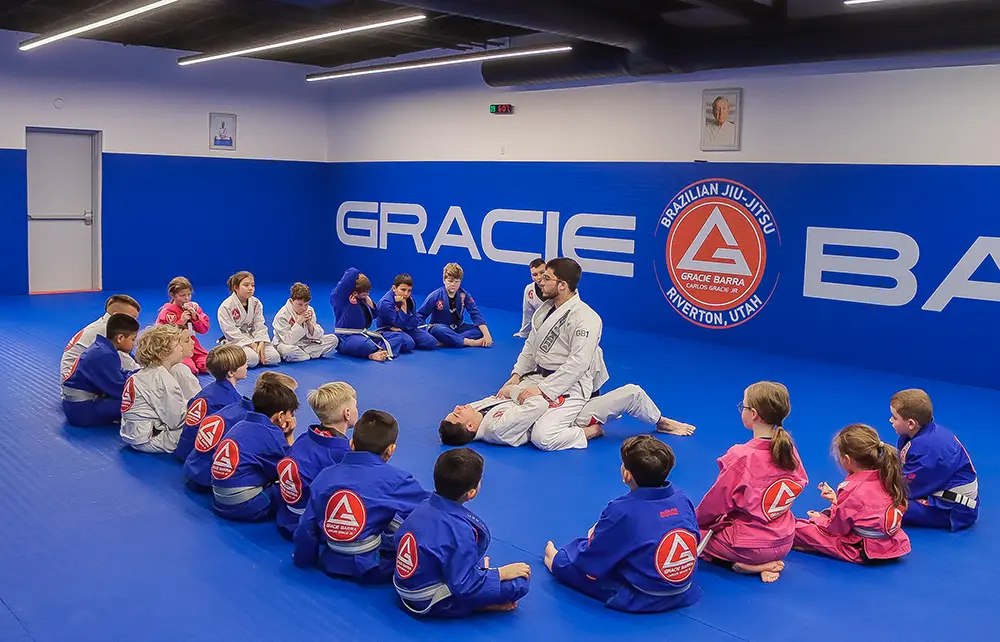
Any well-run program can help a child build confidence, focus and respect. Look for certified instructors, classes grouped by age, a clear belt path and safe, supervised practice.
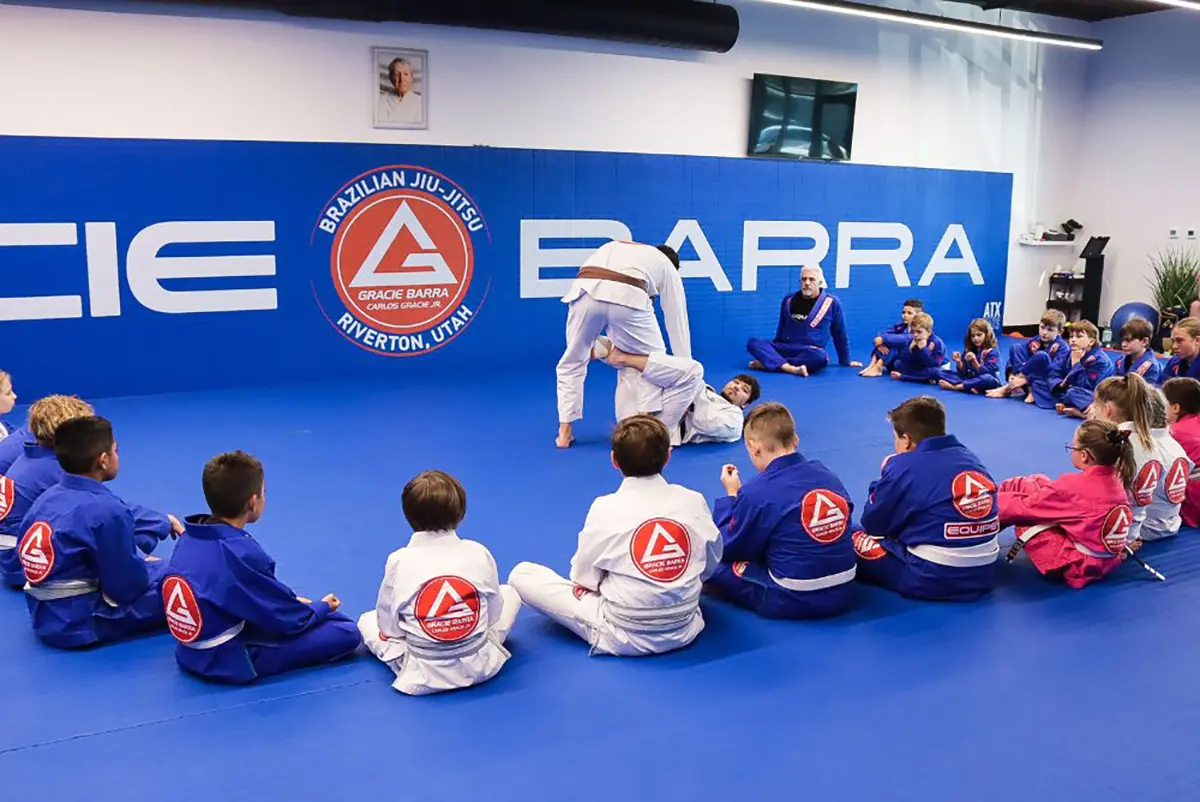
Jiu-Jitsu adds something many parents like: kids learn to control a situation without punching or kicking. At Gracie Barra Riverton, kids train in small age groups:
Tiny Champs for ages 3 to 4
Little Champs 1 for ages 5 to 6, and Little Champs 2 for ages 7 to 9
Juniors and Teens for ages 10 to 15
Every instructor is ICP-certified, CPR-trained and background-checked
Coming from another art
Already train something else? You're welcome here.
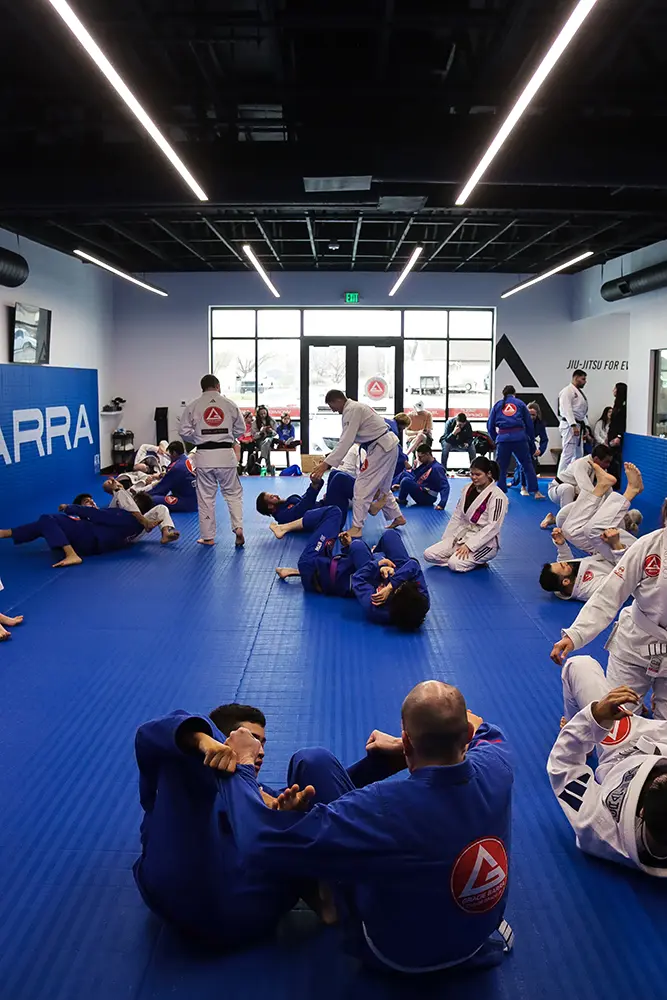
Your experience counts. Judo players bring throws and grips. Wrestlers bring takedowns and pressure. Strikers from karate, Muay Thai or kickboxing bring timing and footwork. Jiu-Jitsu adds the ground game that completes the picture.
Start in Fundamentals. Every adult learns the Gracie Barra basics first, whatever their background.
Keep your other art. Many students train both.
Gi and No-Gi. Wrestlers, strikers and MMA athletes often enjoy our No-Gi classes after Fundamentals.
Black-belt leadership. Classes run under Head Prof. Seidler Rodrigo, a 3rd-degree black belt.
Martial arts questions
Jiu-Jitsu vs other arts FAQ
Short answers to the questions people ask most when choosing a martial art. Still deciding? Call us and we'll help.
Call nowWhat is the best martial art for self-defense?
It depends on the situation and your goals. Striking arts teach you to keep distance. Grappling arts like Brazilian Jiu-Jitsu, judo and wrestling teach you to control someone up close and on the ground. Many people choose Jiu-Jitsu because you practice its techniques against a resisting partner, and technique and leverage reduce the advantage of size and strength.
Is Brazilian Jiu-Jitsu the same as judo?
No, but they are related. Brazilian Jiu-Jitsu grew from judo and Japanese jiu-jitsu taught in Brazil in the early 1900s. Judo focuses on throws, while Jiu-Jitsu focuses on control and submissions on the ground.
Is Jiu-Jitsu better than karate for kids?
Both can build confidence, focus and respect. Karate teaches striking and forms. Jiu-Jitsu teaches kids to control a situation without punching or kicking, which many parents like for handling bullying.
Is wrestling or Jiu-Jitsu better?
They are different sports. Wrestling is great for takedowns, conditioning and school teams. Jiu-Jitsu adds submissions and teaches you to fight well from your back. Many wrestlers pick up Jiu-Jitsu quickly.
Is Muay Thai or Jiu-Jitsu better for self-defense?
They work well together. Muay Thai teaches strong striking at a distance and in the clinch. Jiu-Jitsu teaches control up close and on the ground, without strikes. Many people start with one and add the other later.
Is kickboxing or Jiu-Jitsu a better workout?
Both are great workouts. Kickboxing builds cardio with punches and kicks. Jiu-Jitsu builds full-body strength, grip and endurance while you work against a partner.
Should I learn Jiu-Jitsu before MMA?
Many people do. Jiu-Jitsu gives you a strong grappling base and lets you train hard without strikes to the head. You can add striking later if you want to compete in MMA.
Which martial art is best for adult beginners?
The best one is the one you will keep doing. Brazilian Jiu-Jitsu is beginner-friendly: you start in a Fundamentals class, you don't need to be in shape, and you go at your own pace.
Can I train Jiu-Jitsu if I already do another martial art?
Yes. Students with judo, wrestling, karate, taekwondo, Muay Thai, kickboxing and MMA backgrounds train with us. Your skills will help, and every adult still starts in Fundamentals to learn the Gracie Barra way.
Is Brazilian Jiu-Jitsu safe?
Training is controlled and safety comes first. You can tap to stop any technique, you train with partners who look out for you, and you always go at your own pace.
Does Gracie Barra Riverton teach MMA, Muay Thai or karate?
No. Gracie Barra Riverton teaches Brazilian Jiu-Jitsu, in the gi and No-Gi, for kids 3 and up, teens and adults.
How can I try Jiu-Jitsu in Riverton?
Book a free class online or call (801) 436-7373. We lend you a gi, and an instructor guides you through your first class.
Get started
The best way to choose is to try it
Your first Jiu-Jitsu class is free, and we lend you a gi. Come see how it feels, then decide.
Book a free classAbout this guide. Written by the Gracie Barra Riverton team and updated on October 19, 2026. Gracie Barra Riverton teaches Brazilian Jiu-Jitsu only. Details about other martial arts are general and can vary by school, style and organization.