
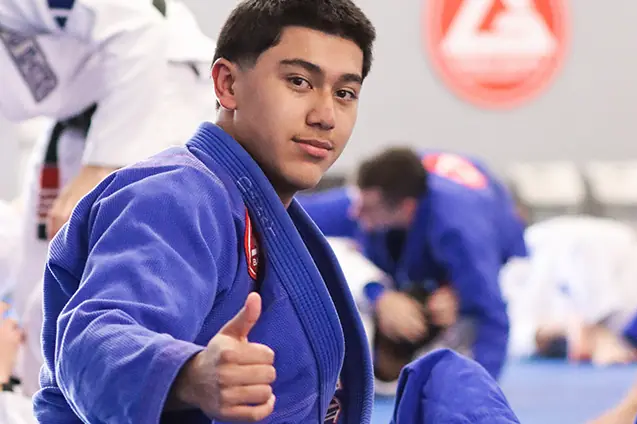
1. Focus on Consistency, Not Perfection
When beginning your Jiu-Jitsu classes, it's easy to feel overwhelmed by the amount of techniques and unfamiliar terminology. You might even feel frustrated when your body can't quite do what you want it to. But this is completely normal. What matters most isn’t how "good" you are right away, it's how often you show up and keep going. Instead of trying to be perfect:- Aim to attend class regularly, even when you feel tired or unsure.
- Track your attendance rather than your performance.
- Celebrate small milestones, like remembering a sequence or escaping a position.
2. Learn the Art of Breathing and Relaxation
One of the most underestimated skills in Jiu-Jitsu is knowing how to breathe and stay relaxed. New students often use too much energy, hold their breath during intense drills, or panic when they're in uncomfortable positions. This leads to exhaustion and missed learning opportunities. Learning to breathe efficiently helps you:- Conserve energy during sparring
- Stay calm under pressure
- Think clearly and execute technique more effectively
- Practice breathing through your nose during warmups
- Focus on slow, steady breaths while drilling
- When rolling, remind yourself to exhale during transitions or escapes
- Try breathwork or mindfulness exercises outside of class
3. Embrace the Beginner Mindset
Everyone starts somewhere, and in Jiu-Jitsu, your mindset is your most powerful tool. It’s easy to compare yourself to others or feel discouraged by setbacks, but the best students are those who remain humble, curious, and open to learning. What does it mean to embrace a beginner mindset?- Ask questions: Don’t be afraid to ask your coach or training partners for help. Everyone was new once.
- Tap early and often: Tapping isn’t a sign of weakness, it’s how we learn and stay safe.
- Don’t chase belts: Focus on learning skills instead of chasing rank or external recognition.
- Be patient with yourself: Progress in Jiu-Jitsu is non-linear. Some days you’ll feel great, other days not so much. That’s okay.
Starting Jiu-Jitsu with the Right Mindset Makes All the Difference
From your first class to your first stripe, staying mentally engaged and emotionally open will help you progress both on and off the mats. Your journey is uniquely yours, and the right mindset will carry you further than any physical skill.4. Improve Your Mobility Off the Mats
While you don't need to be in top shape to begin, a little movement outside of class can go a long way. Many beginners experience soreness, stiffness, or limited mobility early on, especially in the hips, shoulders, and neck. Adding light mobility work at home can support your training, reduce injury risk, and speed up recovery. Here are a few ideas to complement your training:- Dynamic stretching before class: Arm circles, hip openers, leg swings
- Mobility flows after class: Yoga-style movements like cat-cow, downward dog, and child’s pose
- Foam rolling or massage tools: Great for loosening up tight areas
- Focus on key areas: Hips, hamstrings, spine, and neck are crucial for BJJ
5. Choose the Right School and Instructors
Where you train matters. The quality of the instruction, the structure of the classes, and the attitude of the students will greatly impact your experience. A great school isn’t just about producing champions, it’s about building a community where everyone feels welcome and supported. When evaluating a Jiu-Jitsu school:- Observe how instructors interact with beginners
- Ask about class structure, safety protocols, and instructor experience
- Look for a clean, well-maintained facility
- Talk to current students about their experience